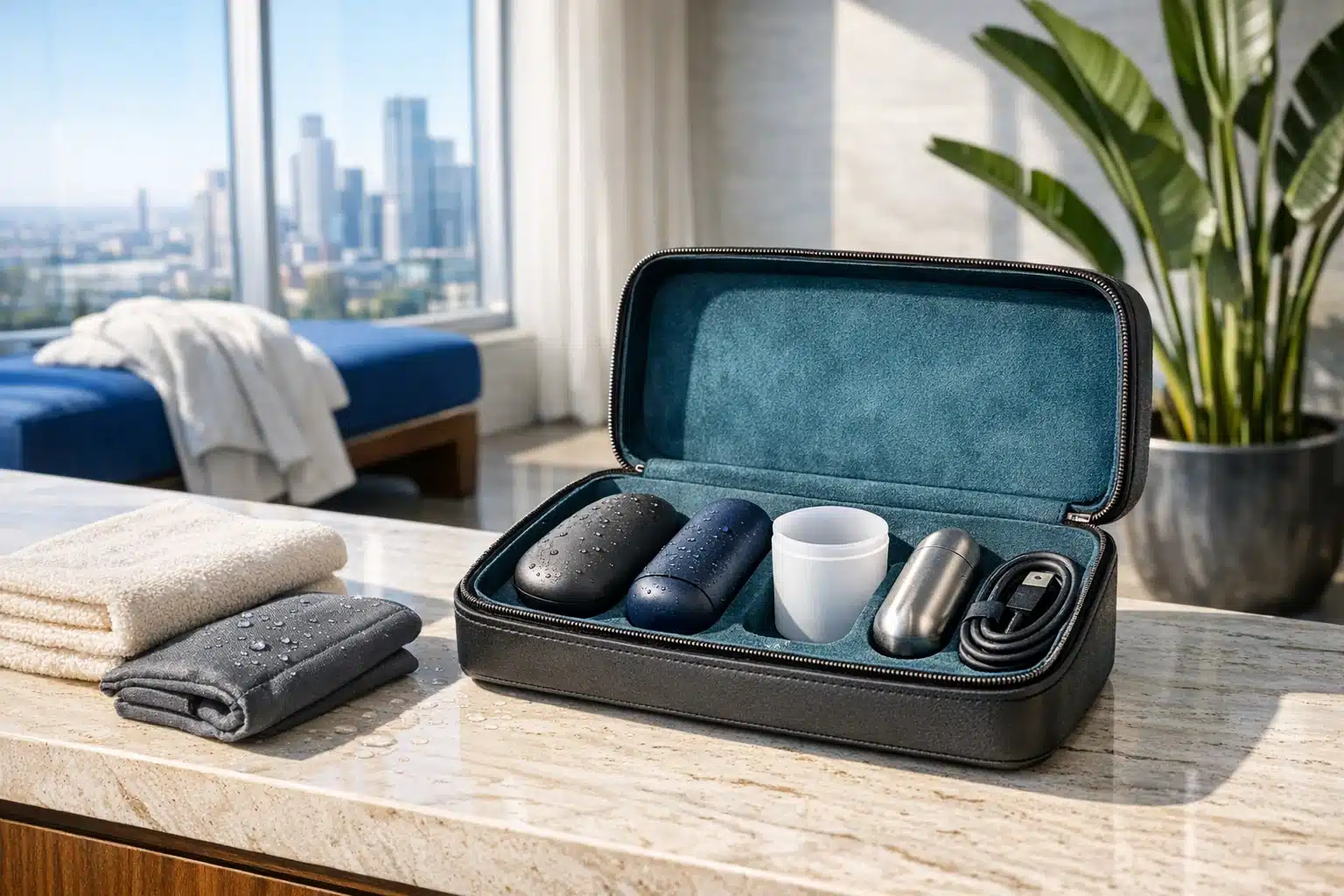
Ultimate Guide: Comparison of the Top 10 Intimate Devices for Men
Outline and Why This Comparison Matters
Buying an intimate device can feel oddly technical and surprisingly personal at the same time. A sleek photo or bold feature list rarely tells you how safe the material feels on skin, how natural an automated movement pattern seems, or whether the design will fit quietly into daily life. This guide looks past marketing gloss to compare what matters most: materials safety, motion systems, comfort, maintenance, and discretion.
Before comparing any shortlist of top products, it helps to know what the article will actually measure. Rather than forcing every device into a simplistic winner-loser ranking, this guide uses a practical outline. First, it looks at materials and how different finishes affect hygiene, durability, and comfort. Second, it examines automated movements, from simple pulse settings to more advanced programmable routines, and asks whether these features improve usability or just add complexity. Third, it studies discreet design, which includes sound output, storage, charging, appearance, and how visible the product feels in a shared living space.
That structure matters because men shopping in this category are usually balancing curiosity with caution. Some want a first device that feels easy to clean and easy to put away. Others are comparing premium models and wondering whether app control, motion variation, or removable sleeves justify a higher price. In many multilingual product roundups, you may even see editorial framing such as Entdecken Sie die Welt des männlichen Wohlbefindens, ein sachlicher Leitfaden zu beliebten Geräten mit Vergleich von smarter Technologie, Komfort und, but the real value lies in turning that broad promise into concrete buying criteria.
Here is the working outline used throughout the comparison:
• body-contact materials and what “body-safe” should mean in practice
• motor quality, automated movement styles, and ease of control
• discreet design factors such as shape, sound, storage, and charging
• cleaning, drying, maintenance, and long-term ownership effort
• which device profiles suit beginners, frequent travelers, or tech-focused buyers
Among the ten leading devices usually discussed in this segment, the largest differences are rarely cosmetic. Instead, they show up in small but important details: the seam quality of a sleeve insert, the stiffness of a shell, the consistency of motor power at lower settings, or whether a charging cable looks generic enough to avoid drawing attention. Think of this guide as a map rather than a sales pitch. It will not tell every reader to buy the same product. It will help each reader understand why one design may fit his habits better than another, which is a far more useful way to compare intimate technology.
Materials Safety: The Foundation of Comfort and Hygiene
If one factor deserves to come first in any comparison, it is materials safety. The surface that touches the body influences comfort, cleaning routines, odor retention, and overall confidence in repeated use. Premium intimate devices for men often rely on non-porous materials such as body-safe silicone, ABS plastic, stainless steel components, or sealed internal housings paired with removable inserts. These materials are generally favored because they are easier to sanitize and less likely to trap residue than porous alternatives. Budget products, by contrast, may use softer blends that feel plush out of the box but degrade faster or require more careful upkeep.
A helpful way to compare the top 10 devices is to separate external structure from internal contact surfaces. The shell may be rigid plastic for shape and durability, while the internal sleeve may be silicone or another elastomer-based material designed for softness. That arrangement is not automatically good or bad. What matters is whether the removable part can be cleaned thoroughly, whether it dries completely, and whether the manufacturer clearly explains what the material is made of. Vague descriptions like “soft touch” or “premium feel” sound pleasant but reveal very little. Good product pages usually specify the exact material family, give cleaning instructions, and explain whether lubricants should be water-based.
When evaluating materials, look for practical signs of quality:
• a smooth finish without rough seams or tacky residue
• inserts that can be removed without strain or tearing
• clear care guidance for washing, drying, and storage
• durable seals around buttons and charging ports
• packaging that avoids unrealistic claims and explains maintenance honestly
Material choice also affects temperature, firmness, and sensory character. Silicone tends to feel soft, stable, and easier to maintain, while ABS plastic offers rigidity that can support more structured motion systems. Some premium designs combine both, giving the device stability on the outside and comfort inside. Metal accents may add weight and perceived build quality, but they should never compromise grip or safe handling. Another point worth noting is scent: lower-grade materials often arrive with a noticeable chemical odor, which may fade but can still signal a less refined manufacturing process.
In short, the safest buying strategy is to treat material transparency as a sign of overall brand seriousness. If a manufacturer is careful enough to state what touches the body, how it should be cleaned, and how long it should dry before storage, that usually reflects stronger product design across the board. Comfort begins with surface feel, but trust begins with clarity.
Automated Movements and Smart Technology: Useful Innovation or Extra Noise?
Automation is one of the biggest dividing lines between basic devices and more advanced models. In the current market, men can choose from units with simple vibration or pulsing patterns, devices with rotating or oscillating mechanics, and premium options that add app control, customizable routines, and interactive programming. On paper, more modes can look exciting. In practice, the best automated movement is not the one with the highest number of settings, but the one that feels predictable, adjustable, and easy to control without interrupting the experience.
Comparing automated systems starts with motor behavior. A well-designed motor ramps up smoothly, maintains power without sudden drop-offs, and stays reasonably quiet at medium settings. Poorly tuned motors often jump sharply between levels or create a buzzing sensation that feels mechanical rather than refined. That is where real-world comfort separates marketing from engineering. Two devices may both advertise ten patterns, yet one may offer genuine range while the other cycles through minor variations that feel nearly identical. Smart technology only matters if it creates meaningful control.
Several features are worth comparing closely:
• onboard buttons that can be used without looking down
• memory functions that return to a preferred setting
• app-based control for custom sequences or remote updates
• motion sensors or pause functions that improve convenience
• battery indicators that prevent unexpected shutdowns mid-session
App connectivity is a good example of a feature that can be excellent or unnecessary depending on the user. For a tech-curious buyer, programmable routines and firmware updates may add real value. For a first-time buyer, physical buttons and a simple control loop may be far more satisfying. The same is true of automation styles. Some men prefer gentle rhythmic motion; others want a stronger, more structured cycle. No device should promise a universal fit, because comfort depends on anatomy, sensitivity, and preference. A good comparison guide acknowledges that variability instead of pretending one motor pattern suits everyone.
Battery performance is another overlooked piece of the puzzle. Rechargeable devices are now standard in the top tier, but runtime claims should be read carefully. Real battery life can change depending on mode intensity, heating features, and whether the unit powers multiple internal functions at once. Magnetic charging is convenient, yet a secure connection matters more than novelty. If the charger disconnects easily, convenience becomes frustration. Ultimately, smart technology should reduce friction, not create it. The most useful device is often the one that feels intuitive after one session rather than impressive for five minutes on a product page.
Discreet Design: Quiet Form, Private Storage, and Everyday Usability
Discreet design is often reduced to one question: is the device loud? Noise matters, but discretion is much broader than sound alone. For many men, a product feels discreet when it fits naturally into a bedroom drawer, charges without an unusual-looking dock, cleans without a complicated setup, and does not announce its purpose through exaggerated styling. The most successful designs in this category tend to look calm, functional, and modern. They avoid novelty aesthetics and instead focus on neutral colors, compact shapes, and storage solutions that suit real homes rather than idealized showroom photos.
Sound profile remains important, especially in shared spaces. However, the noise a device produces is influenced not only by its motor but also by its casing, the surface beneath it, and whether the internal sleeve dampens vibration effectively. A model that sounds acceptable in an empty room may become much quieter under bedding, while a rigid shell can amplify mechanical hum. That is why blunt claims like “whisper quiet” should be treated cautiously. More useful clues include the quality of the housing, how tightly parts fit together, and whether reviewers consistently mention rattling, clicking, or vibration transfer through furniture.
Discretion also includes storage and charging design:
• travel locks prevent accidental activation in luggage
• removable inserts make cleaning easier before putting the device away
• neutral cases or pouches reduce visual exposure in shared rooms
• magnetic chargers are convenient when they connect securely
• splash resistance or waterproofing simplifies washing and drying
Another subtle aspect is visual discretion. Some premium devices borrow cues from consumer electronics, using matte finishes, minimal logos, and tidy button layouts. That design language can make a product feel easier to own because it blends into the wider world of chargers, grooming tools, and wellness devices. It may sound like a small detail, but ownership comfort often grows from small details. If a device feels awkward to store, annoying to dry, or too obvious when left on a counter for even a moment, it is less likely to be used consistently.
The best discreet designs are not merely hidden; they are thoughtfully integrated into routine. They separate for cleaning without struggle, dry without trapping moisture, and return to storage quickly. In that sense, discretion is really about reducing daily friction. A private product should respect privacy in every phase of use, from unboxing to charging to cleanup. When a device manages that gracefully, it earns a place in the top tier even before considering its motor or premium materials.
How to Compare the Top 10 Devices for Your Needs: Final Takeaways for Thoughtful Buyers
Once materials, motion, and discretion are understood, the final step is matching features to your own habits. This is where many shopping guides become unhelpful. They often present a single “best” option, even though the top 10 devices in this category usually serve very different priorities. A compact manual-friendly model may suit a beginner who values simplicity. A motorized device with programmable settings may appeal to a buyer who enjoys technology and experimentation. A premium, easy-clean unit may be ideal for someone who prioritizes hygiene and long-term durability above all else. The smarter approach is to compare device profiles instead of chasing one universal winner.
A simple scoring framework can help. Rate each candidate across five areas: materials safety, comfort, automated control, discreet design, and maintenance effort. If two devices score similarly, let real-life practicality break the tie. Which one dries faster? Which one has clearer instructions? Which one can be stored more easily in a shared home? Which control layout feels usable in low light? These questions sound ordinary, but they often reveal more than a dramatic feature list ever will.
Different buyers tend to benefit from different priorities:
• First-time buyers should favor simple controls, clear material information, and easy cleaning.
• Frequent travelers should focus on compact size, travel lock features, and low-profile charging.
• Tech-focused users may appreciate custom routines, app control, and firmware-supported features.
• Hygiene-conscious shoppers should prioritize removable inserts, non-porous materials, and fast drying.
• Shared-household users should value low noise, neutral aesthetics, and discreet storage accessories.
Price should also be interpreted carefully. A cheaper device is not a bargain if it is difficult to clean, uncomfortable to store, or built from vague materials that raise questions. Likewise, an expensive device is not automatically superior if its smart features are cumbersome or its motor produces more mechanical noise than expected. Long-term value comes from the relationship between build quality and actual use. A device you trust, maintain easily, and return to regularly is often the better purchase than a heavily advertised model that overcomplicates the basics.
For men navigating this category, the goal is not to buy the flashiest product. It is to choose one that feels safe, well-designed, and genuinely compatible with your routine. If you use materials transparency, intuitive automation, and discreet ownership as your three main filters, the crowded market becomes far easier to understand. That is the real advantage of a thoughtful comparison: less guesswork, fewer compromises, and a purchase decision grounded in comfort and common sense.